


How Long Does It Take to Become a Full Stack Developer?
A Complete Timeline Breakdown
How Long Does It Really Take to Become a Full Stack Developer?
Becoming a full stack developer is a popular career goal, but the actual time it takes varies widely based on your background, learning pace, and dedication. With the rapid growth of web development—and the need for professionals who understand both front-end and back-end technologies—many learners wonder how long it truly takes to become job-ready.
This guide breaks down realistic timelines, skill requirements, and learning paths so you can understand exactly what to expect on your journey to becoming a full stack developer.
Quick Facts
Table of Contents
Overview of the Full Stack Developer Journey
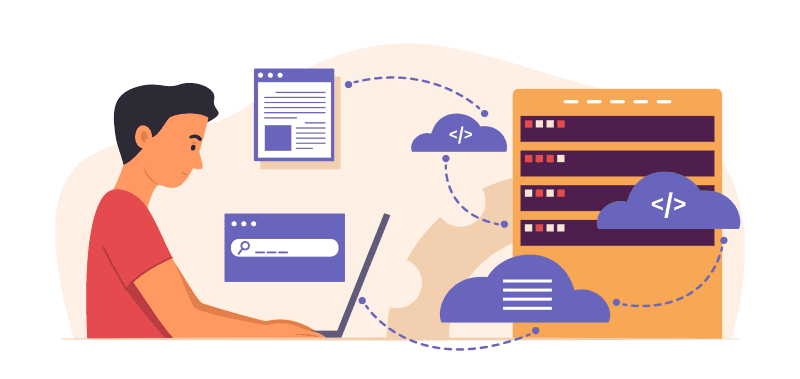
Becoming a full stack developer means learning both the front-end and back-end of web applications. This includes mastering languages, frameworks, databases, APIs, and deployment systems. The time it takes depends on your learning method, consistency, and prior experience in programming.
Benefits of Becoming a Full Stack Developer
- Ability to work across the entire web development stack
- Higher demand due to versatile skill set
- Strong earning potential and job stability
- Opportunities in startups and fast-growing tech teams
- Flexibility to build your own end-to-end projects
Core Skill Categories You Need
- Front-end development (HTML, CSS, JavaScript)
- Back-end development (Node.js, Python, Java, etc.)
- Databases (SQL, NoSQL)
- APIs & server-side logic
- Version control & deployment
Who Can Become a Full Stack Developer?
- Complete beginners with no coding experience
- Front-end developers expanding their skill set
- Back-end developers moving toward full-stack roles
- Students and professionals switching careers
Key Principles of Becoming a Full Stack Developer
Every full stack learning journey follows essential principles:
- Continuous Practice: Coding regularly builds long-term proficiency.
- Project-Based Learning: Real-world apps accelerate skill development.
- Gradual Skill Stacking: Master front-end first, then back-end.
- Debugging Skills: Solving problems makes you job-ready.
- Deployment Familiarity: Understanding hosting and CI/CD pipelines.
Current Web Development Landscape
Web development continues to be one of the fastest-growing tech fields. Companies look for developers who can manage both sides of the application to streamline workflows and reduce team size.
Statistics & Insights
- Full stack developer roles grew over 35% globally from 2023–2026
- JavaScript remains the most in-demand full stack language
- Startups prefer full stack developers to reduce development costs
Industry Examples
- Tech startups rely on full stack developers for MVP development
- E-commerce companies use full stack teams for rapid feature updates
- Enterprise companies hire full stack developers for cross-functional projects
Learning Trends for Full Stack Development
1. JavaScript Everywhere
Many developers choose JavaScript-based stacks (MERN/MEAN) for faster learning and job opportunities.
2. Backend-as-a-Service
Platforms like Firebase and Supabase speed up backend learning for beginners.
3. Cloud Integration
Learning to deploy apps with AWS, Azure, or Vercel is now essential.
4. DevOps Exposure
Basic automation skills help full stack developers manage deployments efficiently.
Popular Tools for Full Stack Learning
- Front-end: React, Vue.js, Next.js
- Back-end: Node.js, Express, Django
- Databases: MongoDB, PostgreSQL, MySQL
- DevOps: Docker, GitHub Actions
- Testing: Jest, Cypress
- Productivity: VS Code, Trello, Notion
Career Opportunities
Once you master the required skills, full stack development opens career paths in various industries and company sizes.
Popular Roles
- Full Stack Developer
- Front-End Developer
- Back-End Developer
- Software Engineer
- Web Application Developer
Benefits of These Careers
- Strong salaries and global demand
- Remote-friendly job opportunities
- Chance to work on diverse products
- Ability to grow into senior engineering roles
Best Practices for Learning Full Stack Development
- Start with the fundamentals of HTML, CSS, and JavaScript
- Create multiple real-world projects
- Use GitHub to showcase your progress
- Join developer communities for feedback
- Follow structured learning paths or bootcamps
- Stay updated with new frameworks and libraries
Challenges
- Overwhelming number of tools and frameworks
- Difficulty mastering back-end concepts
- Balancing practice with work or studies
- Staying consistent with learning
- Understanding deployment and server management
Case Studies
Google’s engineering teams often include full stack developers to handle both user interfaces and service logic.
Microsoft
Microsoft emphasizes full stack skills in roles involving cloud deployment and scalable web apps.
Tesla
Tesla relies on full stack developers to build internal tools and data-driven web systems.
Outlook
The future for full stack developers is promising, with increasing demand for professionals who can build complete web applications efficiently. As technology evolves, mastering full stack skills ensures long-term career growth and consistent opportunities in the tech industry.
FAQ
Talk To Us
We’re here 24/7
📞 +91 7825 888899